
House Hacking in Southern Oregon: How Buyers Use a Second Unit to Lower Their Payment
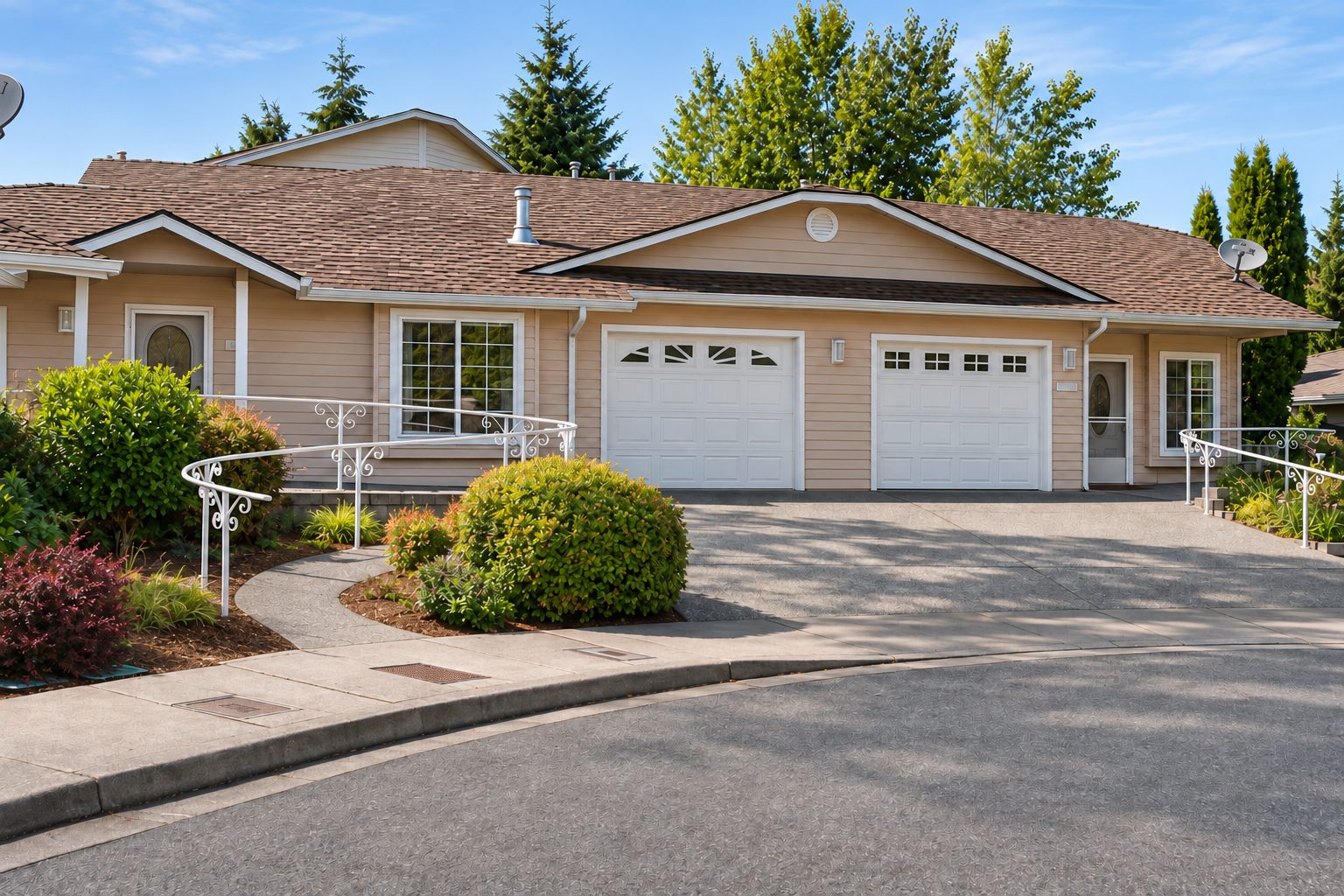
House hacking in Southern Oregon means buying a property you will live in that also has a second rentable space, such as a duplex, a home with an ADU, or a house with a separate living area, so that rent offsets part of your payment. It can work in Josephine and Jackson County, but only when the second unit is legal, permitted, and financeable, and when the rent is realistic. Confirm the zoning and permit status with the county or city, and talk to a lender early about how (and whether) projected rent counts.
What is house hacking, and does it work in the Rogue Valley?
The term sounds like internet jargon, but the idea is old and simple: you buy a property, live in part of it, and let another part help pay for it. A duplex where you take one side. A house with a separate unit out back. A home with a lower level that has its own entrance, kitchen, and bath.
I get asked about it most often by first-time buyers who are looking at Rogue Valley prices and wondering if there’s a smarter way in. There can be. But I also see people treat it like a guaranteed shortcut, and it isn’t. The strategy lives or dies on details that have nothing to do with how good the idea sounds: whether the second unit is legal, whether a lender will count the rent, and whether the rent you’re imagining is the rent you can actually collect.
(A quick note: I’m a broker, not your lender, tax professional, or attorney. This is general information. Rules and market conditions change, so verify specifics for any property you’re considering.)
What kinds of properties can you house hack here?
In practice, the options we see across Josephine and Jackson County fall into a few groups.
Small multi-unit properties. Duplexes, triplexes, and fourplexes, where you occupy one unit and rent the others. These are the cleanest version because each unit is typically built, permitted, and (ideally) metered as a separate dwelling from the start.
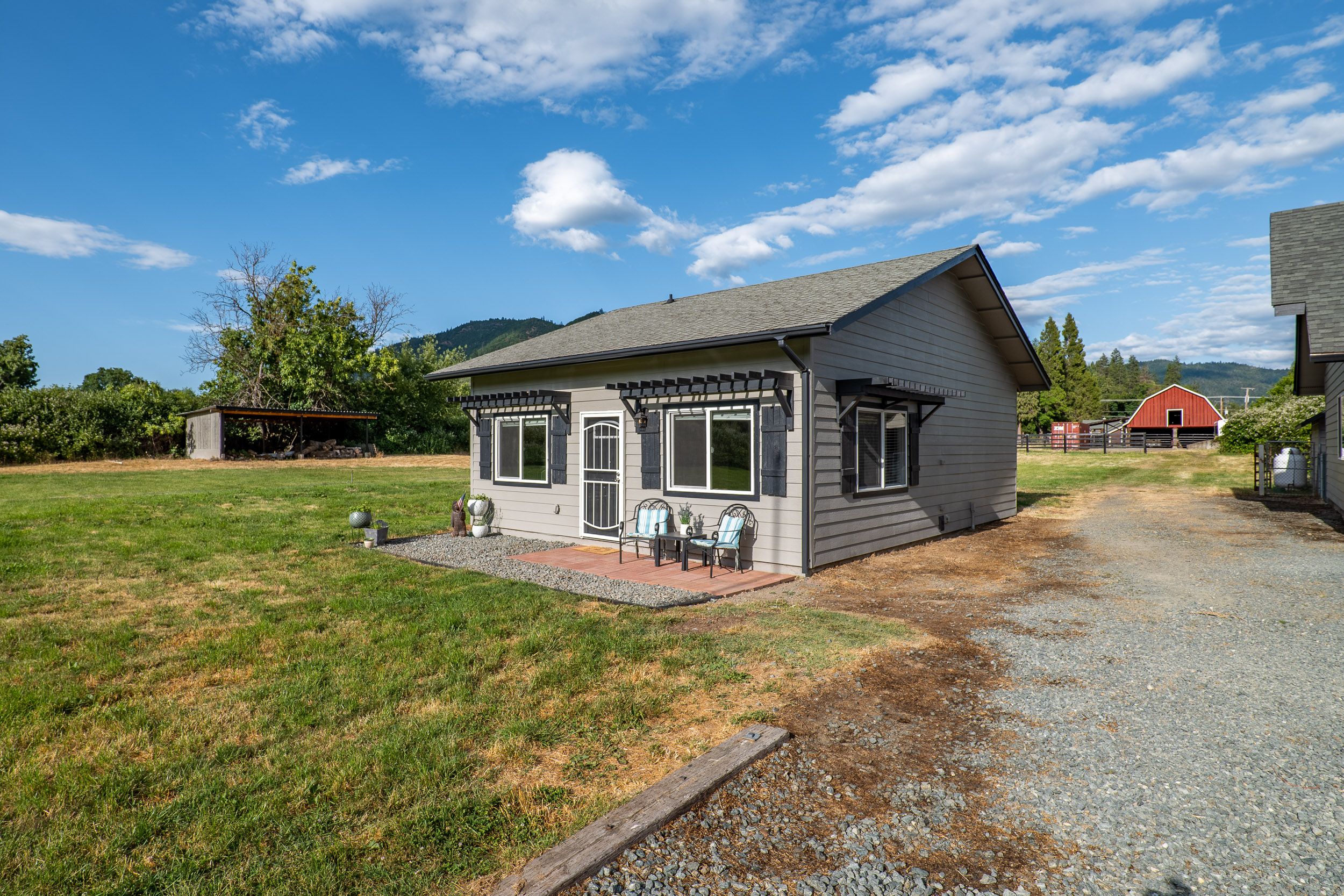
A house with an ADU or second dwelling. This could be a detached cottage, a converted garage, or a basement apartment. I covered the permitting side of this in a separate post on ADUs and rental income, so I won’t repeat it here. The short version: city and county rules differ, and the unit’s legal status matters enormously.
A house with two separate living areas. Some homes have a layout that can be shared or divided, such as a primary suite with its own entrance, or a lower level that works independently. Renting a room or a section of your own home is the simplest form of house hacking. It’s also the one with the fewest permitting questions, though it comes with its own day-to-day tradeoffs, since you’d be sharing a roof.
Can a lender count rental income when you buy?
This is where most plans get tested. Owner-occupied loans can allow buyers to purchase a property with up to four units, and some programs allow a lower down payment when you’ll live there as your primary residence.
Whether projected rent from the other units helps you qualify depends on the loan program, the documentation, and how the lender treats that income. Lenders commonly use only a portion of expected rent, not the full amount. Any specific rate, payment, or qualifying figure has to come from a licensed mortgage professional, not from me. What I’d encourage is asking the question before you fall in love with a property: “If I buy this and rent the other unit, how would you treat that income on my application?”
Is the second unit legal, permitted, and insurable?
This is the question I’d put at the top of the list, and it’s the one that catches people off guard.
Not every second kitchen is a legal second dwelling. Plenty of garages, shops, and basements have been finished over the years with or without permits. A unit being there doesn’t mean it can be legally rented, and I won’t tell you it can based on a listing description. Before you count on rent from any space, check:
- Zoning and permits. Confirm with Grants Pass Community Development, Josephine County Planning, or Jackson County Planning (whichever has jurisdiction) what the property is approved for.
- Septic or sewer capacity. On septic, the permit can limit how many bedrooms or dwellings the system supports. Josephine County Environmental Health or Jackson County Environmental Health can tell you what’s on file.
- Insurance. Ask your insurance agent how a rental unit changes coverage and cost.
- Rural land rules. Outside city urban growth boundaries, a second dwelling often falls under different standards.
If the answer to any of these is “we’re not sure,” that’s your cue to call the right specialist or agency, not to guess.
What does house hacking actually look like on paper?
Here’s a purely hypothetical illustration, not a real transaction: a buyer purchases a duplex, lives in one side, and rents the other. If the rent covers part of the monthly cost, the buyer’s out-of-pocket housing expense drops. But the buyer is also now a landlord. That means vacancies, repairs, maintenance, property taxes, insurance, and following Oregon landlord-tenant law.
Rental income may also have tax consequences. Talk with a CPA before you assume what you’ll keep.
The honest framing I give clients: house hacking can lower your cost of living and build equity while you do it, but it’s a trade of money for responsibility. Some people love it. Some find out in month three that they’d rather not share a property line with their tenant.
The practical takeaway
If this strategy appeals to you, work through it in order:
- Decide what level of landlord life you’re willing to take on.
- Talk to a lender before you shop, and ask how rental income is treated on the loan you’re considering.
- Verify the second unit’s legal and permit status with the county or city before you write an offer.
- Look at realistic local rent comparisons, not the optimistic number.
- Budget for vacancies and repairs.
If house hacking is on your mind, I’m happy to talk through what you’re picturing and whether it fits what’s actually available in Josephine or Jackson County. No pressure, no obligation. Sometimes a short conversation is enough to tell you whether it’s worth chasing.
An ADU can offset your payment, but zoning and lender rules are two separate hurdles. Here’s the order to tackle them in.
Frequently asked questions
What is house hacking in simple terms?
Can I buy a duplex with a low down payment if I live in it?
Can I count on rent from any second kitchen or finished basement?
Does septic affect whether I can add or rent a second unit?
Do I need to talk to anyone besides my broker?
This post is general information, not legal, tax, lending, or financial advice. Loan programs, local rules, and market conditions change, so confirm the details for any property with a licensed lender, the city or county, and a tax professional.