
Can't Get Homeowners Insurance in Josephine County? Here's What Actually Works
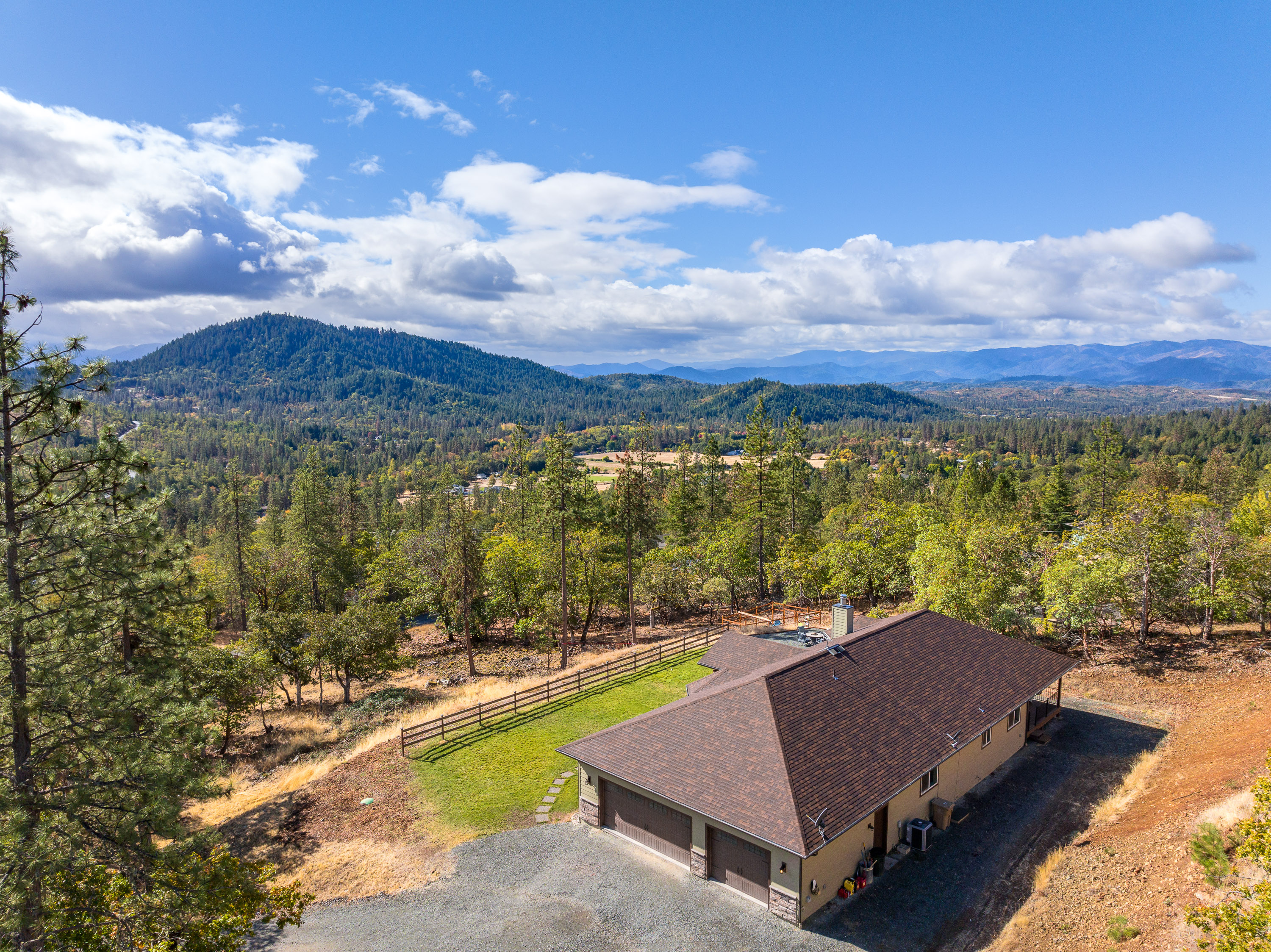
I've watched insurance go from a routine line item to one of the first questions serious buyers and sellers ask me. In Josephine and Jackson County, that shift is real: premiums have climbed sharply since 2020, and some carriers have stopped renewing policies in areas they now classify as high wildfire risk. If you've gotten a non-renewal letter, or a buyer's lender just flagged that a home is tough to insure, it's unsettling. But “hard to insure” is not the same as “impossible to insure,” and I want to walk you through what genuinely moves the needle here in the Rogue Valley.
Why is it suddenly so hard to insure a home in Southern Oregon?
After several severe wildfire seasons across the West, insurers re-priced risk and pulled back from areas they consider exposed. Locally, it shows up as higher premiums, stricter inspections, and — in some cases — a carrier declining to renew a policy it happily wrote a few years ago. None of that means your specific home is uninsurable. Insurers are increasingly looking at the individual property: its roof, its clearance, its vents, the vegetation around it. That's actually good news, because those are things you can change.
Does wildfire mitigation actually restore insurability?
In my experience, yes — often more than people expect. Insurers and their inspectors look for two things: defensible space (managing what can burn around the structure) and home hardening (making the structure itself resist embers). A home with a Class A fire-rated roof, ember-resistant vents, and a cleared, noncombustible zone in the first few feet around the foundation presents very differently to an underwriter than a home with none of that.
Here's the practical part: when a client is facing non-renewal, the first move isn't to panic-shop — it's to document mitigation. Photograph the defensible space, keep receipts for the new roof or vent screens, and give that packet to your agent to submit. I've seen that turn a decline into an approval.
What does SB 82 actually protect me from?
This is the piece a lot of homeowners haven't heard about. Oregon's Senate Bill 82 was passed specifically to keep insurers from using the statewide wildfire hazard map as the basis to non-renew a policy or hike your premium. In plain terms: an insurer shouldn't be able to point at the state map, say your parcel landed in a high-risk band, and drop you on that basis alone. If you believe that's what happened, that's worth a call to the Oregon Division of Financial Regulation, which handles insurance complaints and consumer questions.
What's the Oregon FAIR Plan, and when should I use it?
The FAIR Plan is the state's insurer of last resort — it exists so homeowners who genuinely can't find coverage in the standard market still have an option. It typically offers more limited coverage at a higher cost, so I treat it as a backstop, not a goal. The right sequence is: exhaust the standard market (with your mitigation documentation in hand), then look at the FAIR Plan if you're still stuck, ideally pairing it with a separate policy for what the FAIR Plan doesn't cover. That's squarely a “call a licensed independent insurance agent” moment — they can shop multiple carriers and tell you honestly where you stand.
What should buyers and sellers do right now?
Buyers: make insurance part of your due diligence, not an afterthought at closing. Before you're deep into an offer on a rural or wooded property, ask your insurance agent to quote it early — I'd rather you learn about a hurdle during the inspection window than the week before funding. Sellers: insurability is now part of how buyers judge your home. Documenting your defensible space and hardening, and being able to hand a buyer a clean current policy or a clear path to one, removes a real source of buyer anxiety. An unaddressed insurance problem can quietly cost you buyers who walk rather than fight it.
The practical takeaway
Whether you're buying, selling, or just trying to keep the home you're in insured, the same playbook works: reduce the actual risk through defensible space and home hardening, document everything, know that SB 82 limits how the state map can be used against you, and keep the FAIR Plan in your back pocket as a last resort. Insurance in Southern Oregon is harder than it used to be — but for most homes, it's a problem you can work, not a wall.
If you're weighing a purchase or sale and want to think through how insurability affects it, I'm always glad to talk it through — no pressure, just a straight local read.
Frequently asked questions
Can I really be non-renewed just for living in a wildfire zone?
Will clearing brush lower my premium?
What is the Oregon FAIR Plan?
Should I check insurance before making an offer on a rural home?
Who do I contact if I think my non-renewal was unfair?