
Oregon Doesn’t Require a Septic Inspection When You Sell. Here’s Why You Should Get One Anyway
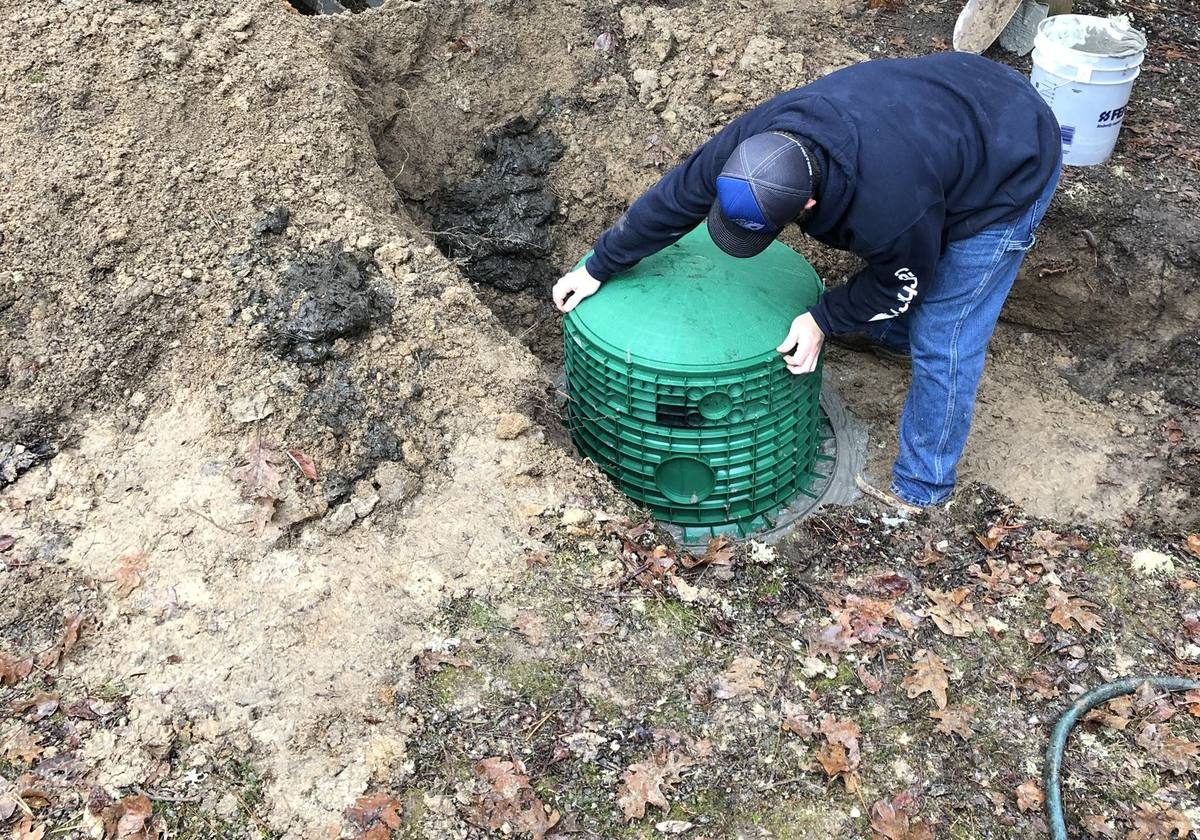
Oregon generally does not require a septic inspection when you sell a home, but getting one before you list is one of the smartest moves a Southern Oregon seller on septic can make. A pre-listing septic inspection, plus the permit records from the agency that oversees onsite systems in your county, lets you find problems on your timeline, answer buyer questions up front, and avoid a deal falling apart late in escrow. Homes with alternative treatment systems also carry ongoing maintenance requirements that buyers will want documented.
Is a septic inspection required to sell a house in Oregon?
Generally, no. Oregon has no statewide rule that says a septic system has to pass an inspection before a home can change hands. Some sellers hear that and think they won’t have to do it.
I understand the instinct. Nobody wants to pay for an inspection that might hand them a problem. But in my experience working with rural and edge-of-town properties across Josephine and Jackson County, skipping it rarely saves anything. It mostly moves the surprise to the worst possible moment.
Here’s why: even if the law doesn’t require an inspection, the buyer, the buyer’s lender, and the buyer’s broker will very likely want one. When a problem shows up in the middle of escrow, you’re negotiating under a deadline, with less room to get competitive bids and a buyer who is suddenly nervous.
(A quick note: I’m a broker, not a septic professional, engineer, or attorney. This is general information. Rules change, so confirm specifics with the appropriate agency and a qualified inspector for your property.)
Why get a septic inspection before you list?
A pre-listing inspection puts you in control. If something needs attention, you can get it evaluated, gather bids, and decide whether to repair it, price around it, or offer a credit. All of that happens before a buyer is attached to the house.
It also builds trust. When we list a home on septic, a recent inspection report and a clean set of records answer the first questions most buyers ask. That tends to make for a more reassured and committed buyer which leads to calmer negotiations and fewer late-stage renegotiations.
And it helps you fill out your disclosures accurately. Oregon’s seller property disclosure statement asks about the sewage system, whether it was tested recently and if it is in good working order. Knowing what you actually have is better than guessing.
What septic records should you pull before selling?
Start with the paper trail. Onsite system permits, as-built drawings, and repair records are often on file with the agency that administers the onsite program for your county. In Oregon, that’s the county in some places and the Oregon Department of Environmental Quality (DEQ) in others. DEQ keeps a contact list of who handles onsite systems in each county, and it offers an online onsite records search.
Here’s what I like sellers to look for:
- The original permit and any repair permits. These show what was approved, when, and for how many bedrooms or how much design flow.
- The as-built or system drawing. This shows where the tank and drainfield actually are, which matters for inspections, landscaping, and future projects.
- Pumping and service receipts. Your own records count. Dig through the file drawer.
- For alternative systems, maintenance and reporting records. More on this below.
One point matters a lot: the permitted capacity is the capacity. If the permit covers three bedrooms, we market the home based on what the records support, and we flag anything that doesn’t line up for review.
What does a real septic inspection actually check?
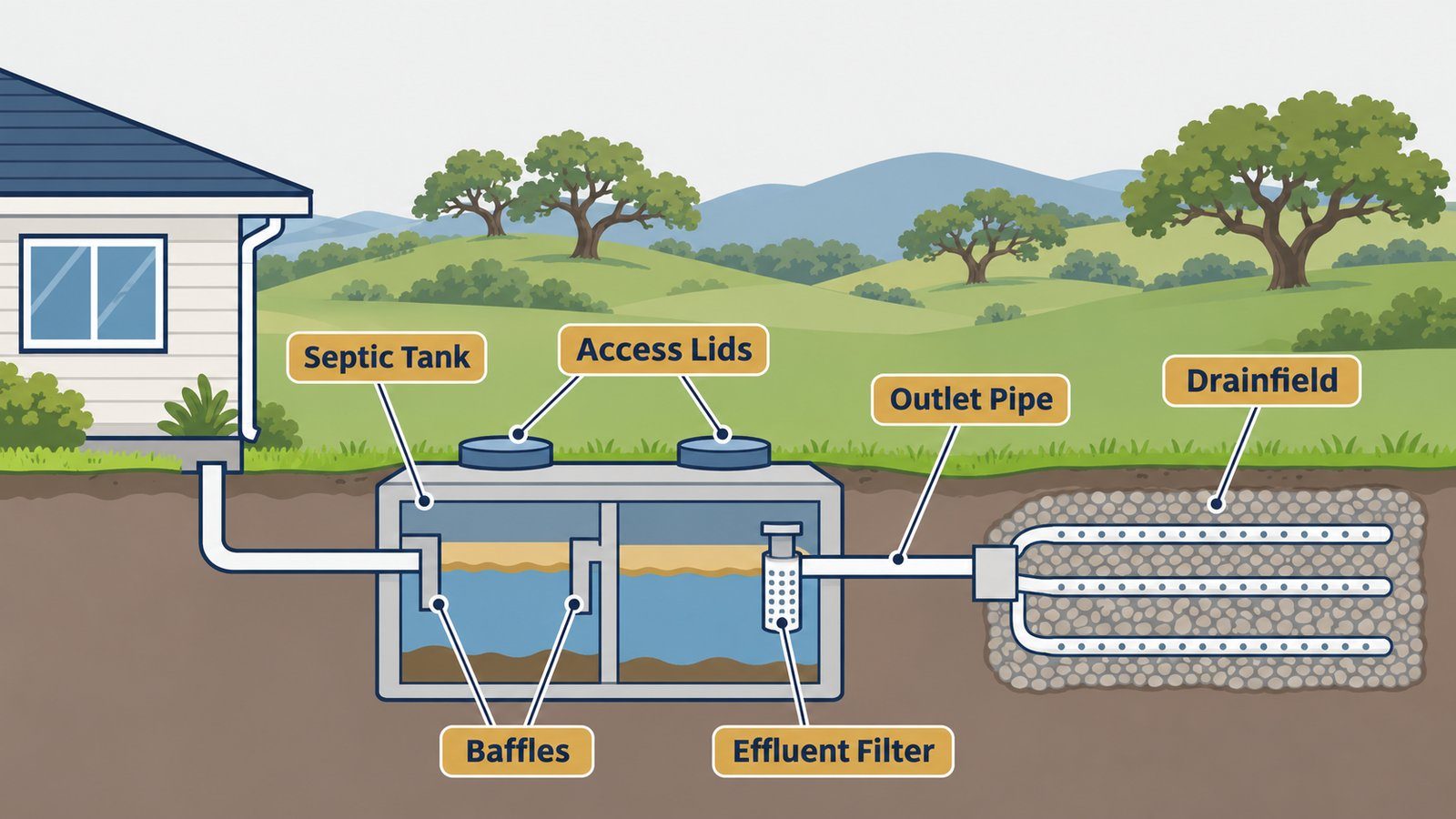
A thorough inspection is more than a quick look at the lid. A typical evaluation by a qualified onsite inspector may include:
- Locating and uncovering the tank (or tanks)
- Pumping the tank so the inspector can see the inside, baffles, and condition
- Checking the liquid level and looking for signs of backflow or leaks
- Inspecting inlet and outlet components and any effluent filter
- Evaluating the drainfield area for saturation, surfacing, or other trouble signs
- Testing pumps, alarms, and controls on systems that have them
Ask your inspector what their report will cover and whether pumping is included. Some inspections are much more limited than others, and a short "pumped and looked fine" receipt isn’t the same thing as an evaluation.
Why do alternative septic systems matter so much to buyers?
Not every system in the Rogue Valley is a simple gravity tank and drainfield. Depending on soils, slope, and lot size, some properties use sand filters, pressure distribution, or alternative treatment technology (ATT) units.
These systems can work very well. They also tend to come with ongoing obligations, which buyers need to understand. Under Oregon onsite rules, many alternative systems carry operation and maintenance requirements, which can include a service contract with a maintenance provider and periodic reporting.
For a buyer, that’s a recurring cost and a responsibility, not just a feature. Tell them about it up front, with copies of the maintenance contract and recent service reports. It’s much better coming from the listing side early than discovered by the buyer’s inspector late.
What happens if the inspection finds a problem?
You have options, and having them early is the point. Depending on what’s found, sellers might:
- Make the repair before listing (some repairs require a permit, so check with the agency first)
- Get bids and disclose the issue, pricing the home with it in mind
- Offer a repair credit, subject to what the buyer’s lender allows
Which route makes sense depends on the issue, the market, and your timeline. That’s a conversation we have with each seller, often with the inspector’s input.
The practical takeaway
If your home is on septic, treat an inspection as part of getting ready to sell, alongside cleaning out the garage and touching up paint. Pull your permits, gather your pumping receipts, hire a qualified inspector, and get alternative-system maintenance records in order. You’ll go into the market knowing exactly what you’re selling.
If you’re not sure where your records are or what kind of system you have, we’re happy to help you figure out where to start. No pressure, just a conversation.
If the inspection turns up a repair, it belongs in your overall budget for selling. Here’s every category of seller cost.
Buying a House With a Well in Southern OregonSeptic’s rural companion: the water test Oregon law requires, the well log to pull, and the shared-well question to ask first.
Frequently asked questions
Is a septic inspection required to sell a house in Oregon?
Where do I find septic records for my property in Southern Oregon?
What’s the difference between pumping and a septic inspection?
Do alternative treatment systems cost more to own?
Should I fix a septic problem before I sell?
This post is general information, not legal, engineering, or environmental advice. Onsite septic rules and local procedures change, so confirm the details for any property with the agency that administers onsite systems in your county and a qualified septic inspector.