
How to Buy a Home in Grants Pass Before Selling Your Current House
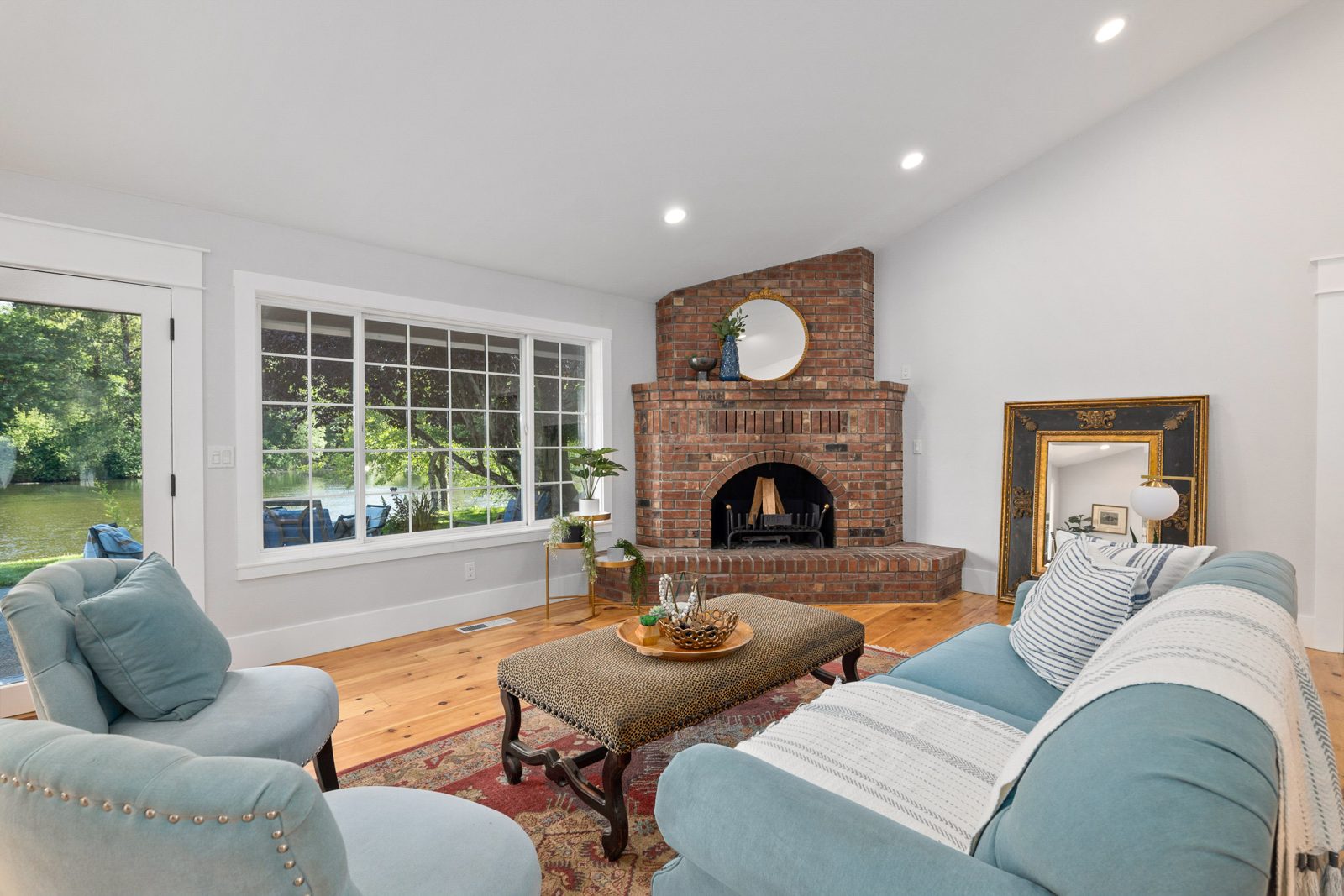
Yes, you can buy a home in Grants Pass before selling your current one. The most common ways to avoid carrying two mortgages are a bridge loan or HELOC, a contingent offer, a buy-before-you-sell program, or qualifying for both payments with a backup plan. Whichever you choose, decide your fallback before you write an offer, and line up both closings so your sale funds your purchase.
Most people who own a home in Grants Pass don’t want to move twice. They want to find the next house, move once, and then sell the one they’re leaving.
The challenge is that most of your buying power is usually sitting in the home you live in now. Your down payment is tied up in equity. And your lender is going to look at the payment you already have before approving a new one.
It’s one of the most common conversations I have with sellers. Here’s how we think about it, broken into the three questions that come up every time.
How can you buy without carrying two mortgages?
There are four common ways to do it. The right one depends on how much equity you have, how competitive the home you want is, and how much risk you’re comfortable holding.
Use your equity before you sell. A bridge loan or a home equity line of credit (HELOC) lets you borrow against your current home to cover the down payment on the next one. A bridge loan is short-term, often 6 to 12 months, and gets paid off when your home sells. Lenders typically want meaningful equity, often 15–20% or more, and the cost runs higher than a standard mortgage. A HELOC is usually cheaper, but most lenders won’t open one on a home that’s already listed. So it has to be set up before you go on the market.
Write a contingent offer. Your purchase depends on your current home selling by a set date. You only ever close on one payment at a time. The trade-off is strength: in a competitive situation, a seller may choose an offer without a contingency. Contingent offers tend to work best on homes that have been on the market a while, or when your home is already under contract.
Use a buy-before-you-sell program. Some lenders and companies will help you buy first and then sell your current home on your timeline. They can be useful, but they come with fees and rules. Read the fine print with your lender and your agent before you commit.
Qualify for both and plan the gap. If your income supports both payments, you can buy outright and sell afterward. Under Fannie Mae guidelines, a lender generally counts both payments until your current home is under contract and the buyer’s financing contingency is cleared (Fannie Mae Selling Guide B3-6-06). Only go this route if you can comfortably carry both for a few months.
Whichever path fits, the first call is to a local lender. They’ll tell you what you qualify for under each option. I’m happy to connect you with lenders I trust here in the Rogue Valley.
What happens if your current house doesn’t sell?
This is the question that keeps people up at night. The answer depends on how you set up the purchase.
| How you bought | If your home hasn’t sold |
|---|---|
| Contingent offer | If your home isn’t under contract by the deadline, you can usually cancel the purchase and get your earnest money back, as long as you follow the contract’s notice terms. |
| Bridge loan | You still own both homes and owe both loans. The bridge loan comes due at the end of its term, whether the house has sold or not. |
| HELOC | You’re carrying your mortgage, the HELOC payment, and the new mortgage until it sells. |
| Qualified for both | You keep paying both payments. Your choices are a price change, renting it out, or holding on longer. |
| Buy-before-you-sell program | It depends on the program. Many set a deadline and a backup plan for selling. Know those terms before you sign. |
The best protection is being realistic about your current home before you ever write an offer. That means pricing it from real local sales, not from what we’d like it to be worth. It also means preparing it well enough that it shows its best in the first few weeks, when buyer interest is highest. (More on that in how to price your home to sell in Southern Oregon.)
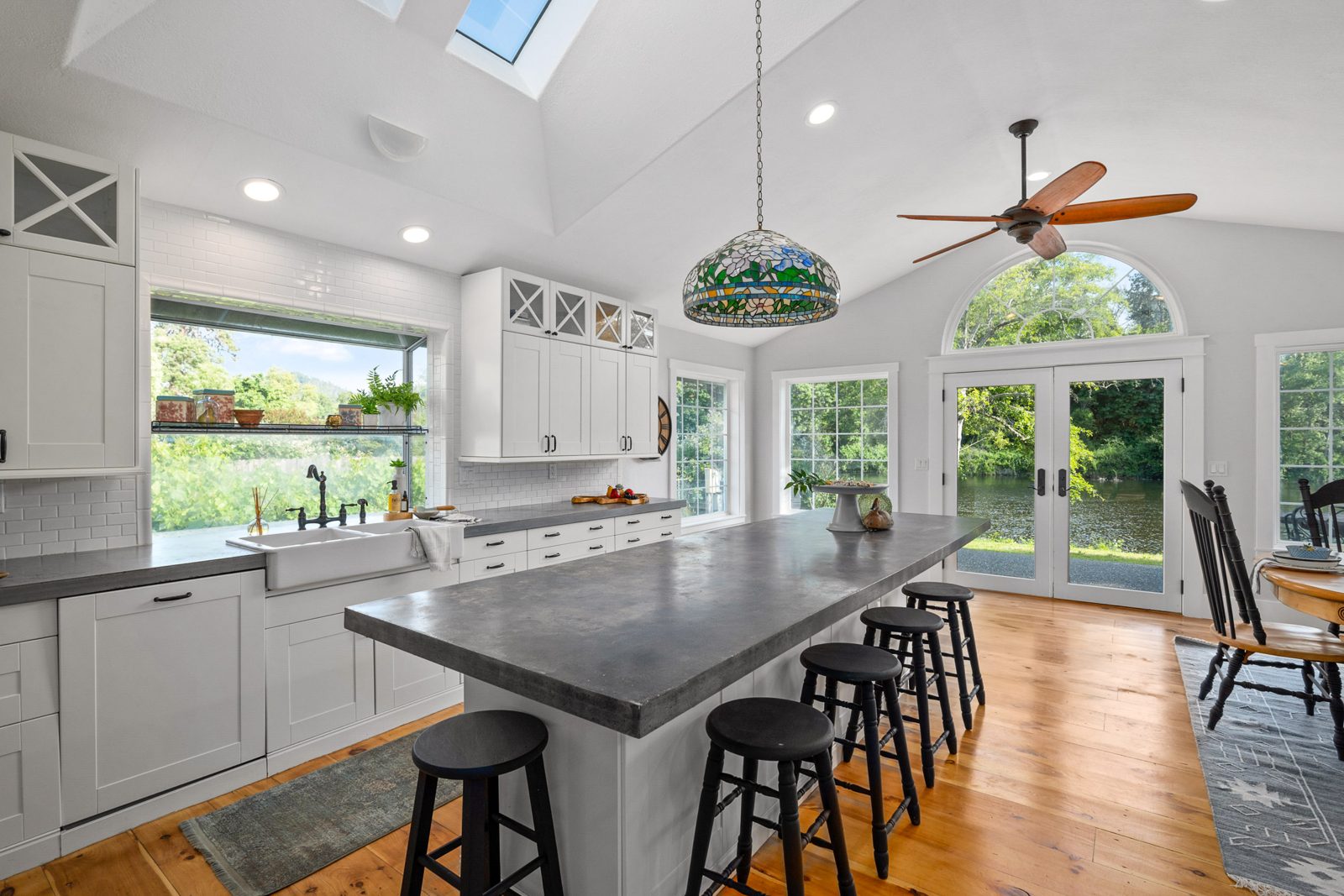
In Grants Pass, timing also depends on the property. In-town homes and rural homes don’t move the same way. Acreage, private wells, septic systems, and insurance questions can all add time to a sale. If your home has any of those, build extra time into your plan.
And have a Plan B written down before you need it. If the home isn’t under contract in a set number of weeks, what changes? Price? Presentation? Renting it out? Deciding that ahead of time keeps emotion out of the decision later.
One note on renting: rental income can help, but it doesn’t always count fully toward qualifying for your next loan (Fannie Mae Selling Guide B3-3.8-05). That’s a conversation for your lender, and tax questions belong with your CPA.
How do you coordinate both closings?
The goal is simple: the money from your sale arrives in time to fund your purchase, and you have somewhere to live the whole time. Here’s how we line it up.
- Sell first, buy second. In most cases, your sale closes first, or the same day. Your proceeds then go toward the down payment and closing costs on the next home.
- Align the dates in both contracts. When we negotiate each deal, we set closing dates that work together. Usually that’s the same day or a few days apart, with a little cushion for delays.
- Keep one team talking. Your lender, both escrow officers, and both agents need to know the two deals are linked. Using the same lender, and the same title company where possible, cuts down on handoff problems.
- Plan for possession. If you need a few extra days to move after your sale closes, we can negotiate that up front. In Oregon, that’s usually done with a Seller Occupancy Agreement (Oregon REALTORS® Form 2.16). It spells out how long you can stay, what you’ll pay, and the condition you leave the home in.
- Build in a buffer for surprises. Repairs, appraisal issues, or insurance questions can push a date. A few days of slack between closings, or a short occupancy agreement, keeps one delay from knocking over both deals.
Most of this work happens behind the scenes: calendars, communication, and catching problems early. None of it is glamorous, but it’s what makes moving day uneventful. Our Seller’s Guide walks through what to expect from listing to closing.
The bottom line
Buying before you sell in Grants Pass is doable. It just works best when the plan comes before the house hunt, not after you’ve fallen for a home.
Start with three steps: talk to a lender about your options, get a realistic read on what your current home will sell for, and decide your Plan B before you need it.
If you’re weighing a move and want to talk through which path fits your situation, reach out. No pressure. I’m happy to help you think it through.
Why the first three weeks matter so much — and how to price so your home sells inside them.
Frequently asked questions
Can I buy a house in Grants Pass before selling mine?
What is a home sale contingency?
Can I get a HELOC on a house that’s listed for sale?
Will my lender count both mortgage payments?
Can I stay in my home after it sells?
This post is general information, not legal, tax, or lending advice. Financing guidelines and contract forms change, so confirm the details with your lender and the appropriate licensed professionals.