
That Creek Runs Through Your Property — But Do You Own the Water?
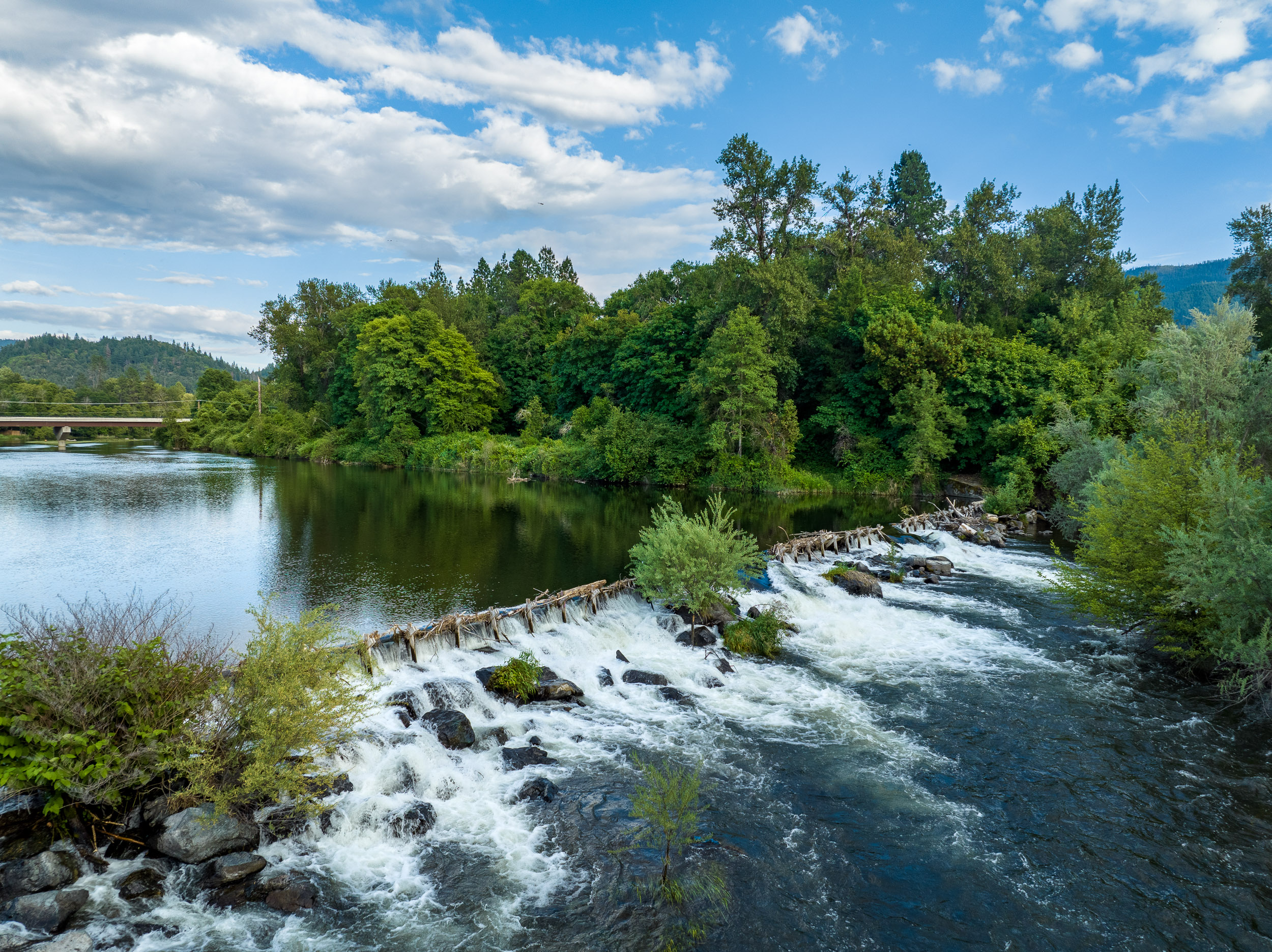
In Oregon, all water is publicly owned, so owning land with a creek, pond, or spring on it does not by itself give you the right to use that water — you need a water right issued by the Oregon Water Resources Department, or your use must fall under a narrow list of statutory exemptions. Certificated water rights are appurtenant to the land, meaning they generally convey with the property unless the seller expressly reserves them in the deed or sale contract. Because a right can also be lost to non-use, verify the right’s existence, its priority date, and its use history through OWRD before writing an offer.
I’ve walked a lot of acreage in Josephine and Jackson County with buyers who fell in love with a property the moment they heard running water. It’s one of the best parts of rural Southern Oregon. And it’s the moment I usually have to ask an unromantic question: has anyone checked the water right?
The assumption almost everyone brings to a rural showing is that if the creek runs through the deed, the water comes with it. In Oregon, that isn’t how it works. This is one of the few areas of a transaction where a misunderstanding can quietly change what a property is actually worth to you — and it’s entirely avoidable if you look before you write the offer.
Do you own the water on your own property in Oregon?
No. Under Oregon law, all water is publicly owned. A landowner with water flowing past, through, or below their property does not automatically have the right to use it. With limited exceptions, anyone who wants to divert and use surface water or groundwater has to hold a water right issued by the Oregon Water Resources Department (OWRD).
That surprises people, especially buyers coming from states with a riparian system where water use follows land ownership. Oregon uses prior appropriation instead. The shorthand you’ll hear is “first in time, first in right” — every water right carries a priority date, and in a dry year, older rights get satisfied before newer ones. A 1902 priority date and a 1978 priority date are not the same asset, even on adjoining parcels.
Do water rights transfer when you buy land in Oregon?
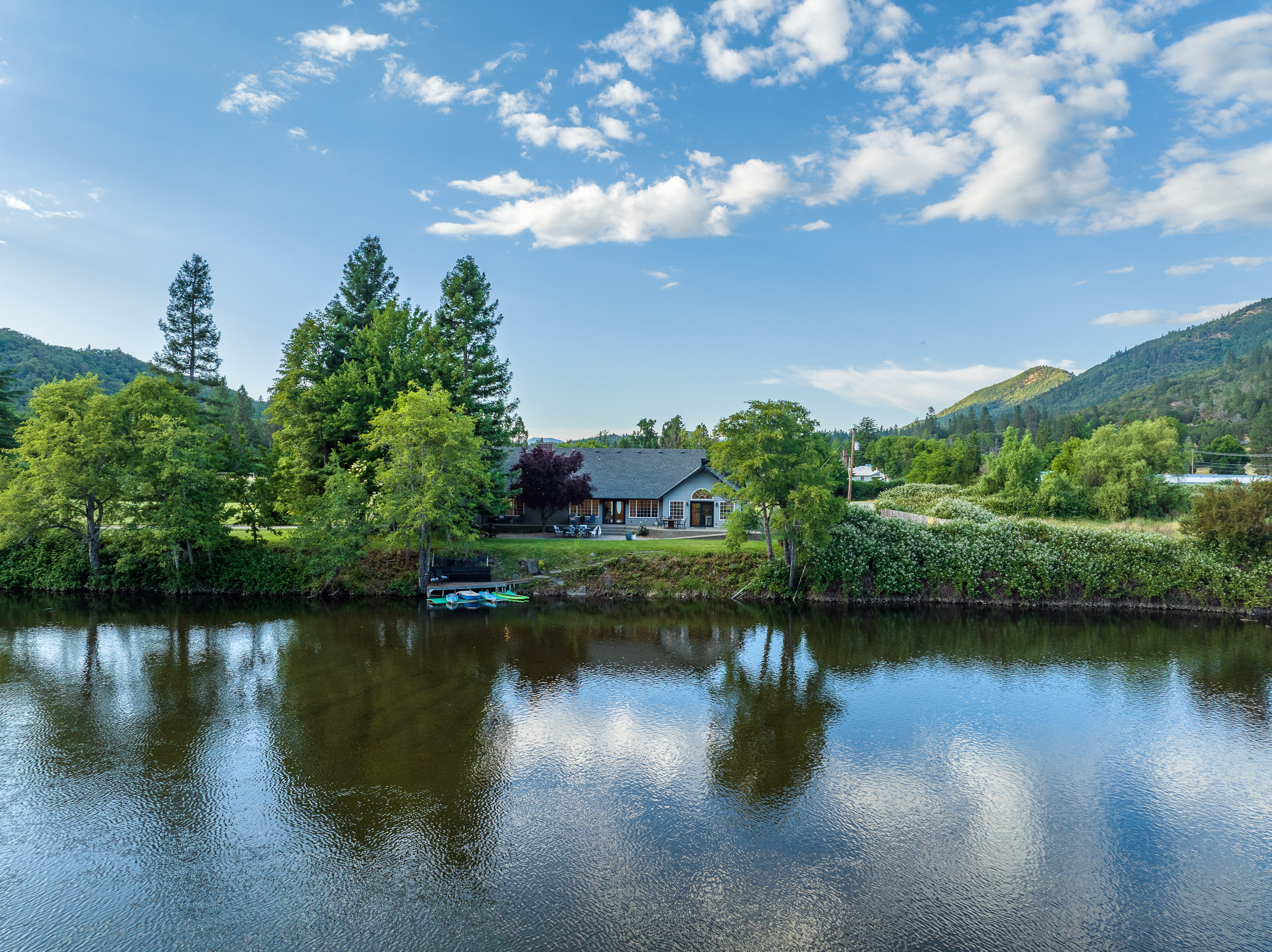
Generally, yes — but “generally” is doing real work in that sentence. A certificated water right is appurtenant to the specific land where the use is authorized, and it’s deemed included in the sale unless it’s expressly reserved by the seller in the deed or contract of sale. Sellers can and sometimes do reserve them.
So there are really two questions, not one:
- Does a valid water right exist on this parcel at all? Plenty of rural properties in the Rogue Valley have a creek, a pond, and a pump — and no water right on record.
- Is it being conveyed to me, on the acres I care about, for the use I have in mind?
An irrigation right is tied to specific acreage and a specific point of diversion. If a right covers ten acres and you’re planning to irrigate the other fifteen, that’s not a paperwork detail — that’s a different property than the one in your head.
Can you lose a water right by not using it?
Yes, and this is the part that catches buyers of long-idle acreage. Oregon water rights operate on beneficial use. If the holder of a perfected water right stops using all or part of it for five successive years, that creates a rebuttable presumption of forfeiture. Resuming use later does not, on its own, revive the right.
Forfeiture isn’t automatic — cancellation requires a legal proceeding, there are recognized excuses for non-use (drought, government regulation, conservation programs, and economic hardship among them), and there’s a look-back limit on how far back a cancellation action can reach. But if you’re buying a place that hasn’t been irrigated in a decade, “there’s a water right on it” deserves a much closer look than a nod.
What can you use water for without a water right?
Oregon has a short list of exempt uses that don’t require a permit. The ones that come up most often on Southern Oregon acreage:
- Domestic use from a well, up to 15,000 gallons per day — household purposes plus related outdoor uses
- Irrigation of a lawn or garden of one-half acre or less
- Stock watering
- Industrial or commercial use up to 5,000 gallons per day
These exemptions are real, and for a lot of buyers on a few acres they’re entirely sufficient. What they are not is a substitute for an irrigation right. A half-acre of garden is a garden. It isn’t hay ground, it isn’t a vineyard, and it isn’t a commercial nursery. I’d rather a buyer hear that from me in week one than discover it after closing.
Worth noting: the exempt-use rules, particularly around what counts as domestic versus commercial irrigation, have drawn legislative and legal attention in recent years. Confirm the current standard with OWRD rather than relying on what a neighbor told you three years ago.
What should I actually check before writing an offer?
Here’s the sequence I walk buyers through on any Josephine or Jackson County property where water matters:
Pull the record yourself. OWRD maintains the Water Rights Information System, a public database you can search by property. Look for the certificate number, the priority date, the authorized use, the acreage, and the point of diversion.
Call the local watermaster. OWRD field staff know the district. They can tell you whether a right has been regulated off in recent dry years — which is the practical question behind the priority date.
Check the irrigation district, if there is one. District-delivered water comes with its own rules, assessments, and transfer procedures that are separate from the state right.
Read the seller’s disclosures against the record. If they don’t match, that’s a conversation to have during the inspection period, not after.
Write your contingencies to cover it. Verification of water rights belongs in the contract, in writing, with a real deadline.
Bring in a specialist when the stakes justify it. If the water right is a material part of why you’re buying — irrigated pasture, orchard, vineyard, commercial ag — talk to a water rights attorney or a consultant who does this daily. I’m a broker, not a water lawyer, and on a complicated right the right move is to say so and get you to the person who can answer it definitively.
The practical takeaway
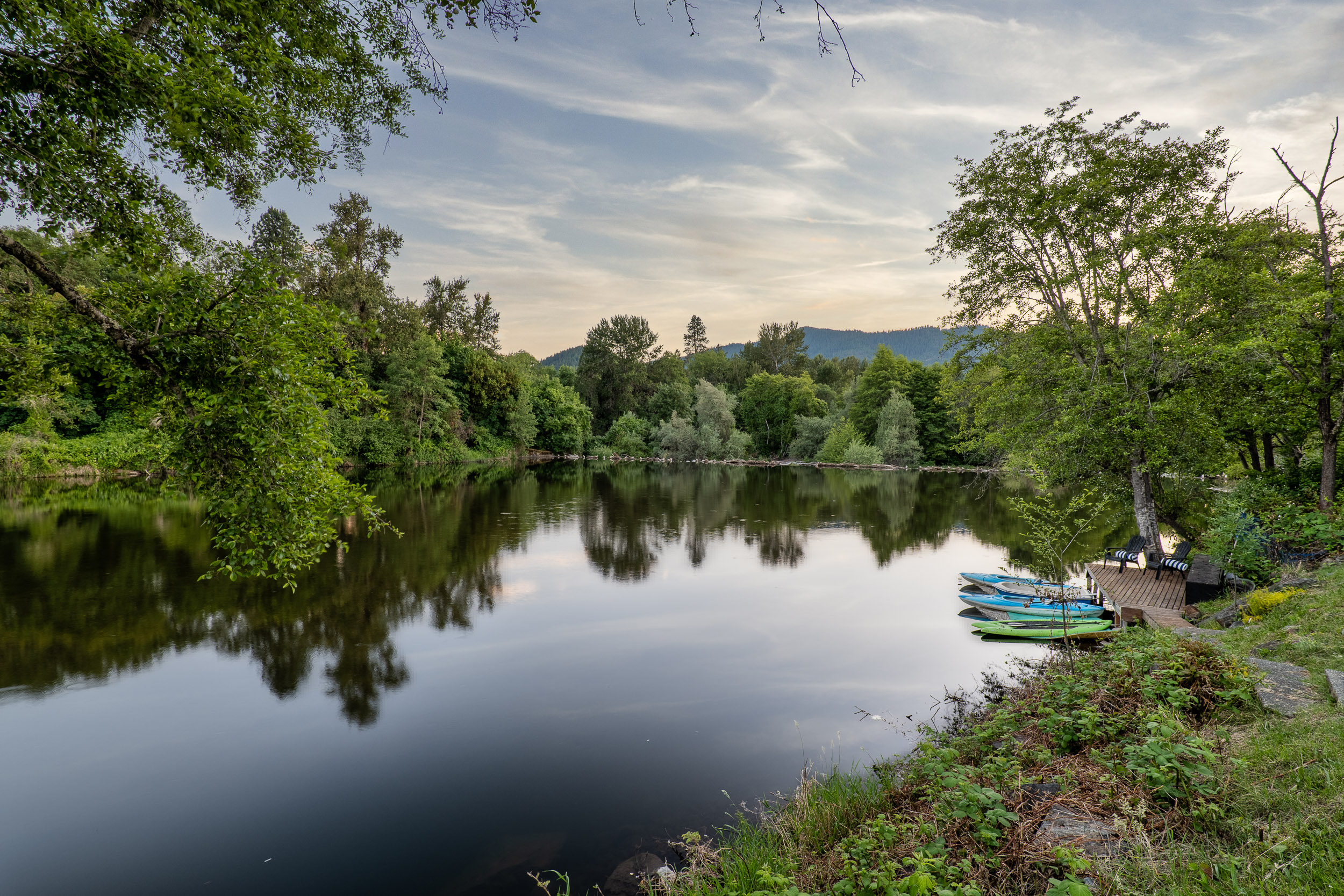
Water is one of the few things about a Southern Oregon property you genuinely cannot fix after closing. You can replace a roof. You can amend soil. You cannot manufacture a senior priority date.
The good news is that verification is cheap and fast relative to what’s at stake. A search of the OWRD database and a phone call to the watermaster will tell you most of what you need to know, usually within a few days. On our team, that check happens before the offer goes out, not after — because the answer sometimes changes the price, and occasionally it changes the property.
If you’re looking at acreage in Josephine or Jackson County and you’re not sure what the water situation actually is, I’m happy to walk through it with you and point you to the right records and the right people. No pressure and no obligation — it’s the kind of question I’d want answered before I bought, too.
An algorithm can’t see your usable acreage, your well, or your water right. Here’s what it misses on rural property.
Frequently asked questions
Do I need a water right to use a creek that runs through my property in Oregon?
Do water rights automatically come with the land when I buy it in Oregon?
How do I look up the water right on a property in Josephine County?
Can a water right expire in Oregon?
How much water can I use on rural property without a water right?
Sources
- Oregon Water Resources Department — Water Rights FAQs, exempt-use guidance, and surface water and transfer publications; Water Rights Information System (public database).
- ORS 540.610 — forfeiture of water rights for five successive years of non-use, recognized excuses, and cancellation procedure.
- OAR 690-340-0010 — exempt uses of groundwater.
- OSU Extension Service, EM 9521 — water rights guidance for Oregon landowners.
This post is general information about Oregon water law, not legal advice. Rules, agency practice, and market conditions change. For a specific property, consult OWRD, the local watermaster, and where appropriate a water rights attorney.